Shukhov Belgorod State Technological University
Lecturer · Department of Architecture and Urban Planning
Belgorod, RussiaI teach architecture as a way of reading complex systems — and speaking as a way to make professional knowledge public, debatable and capable of changing practice.
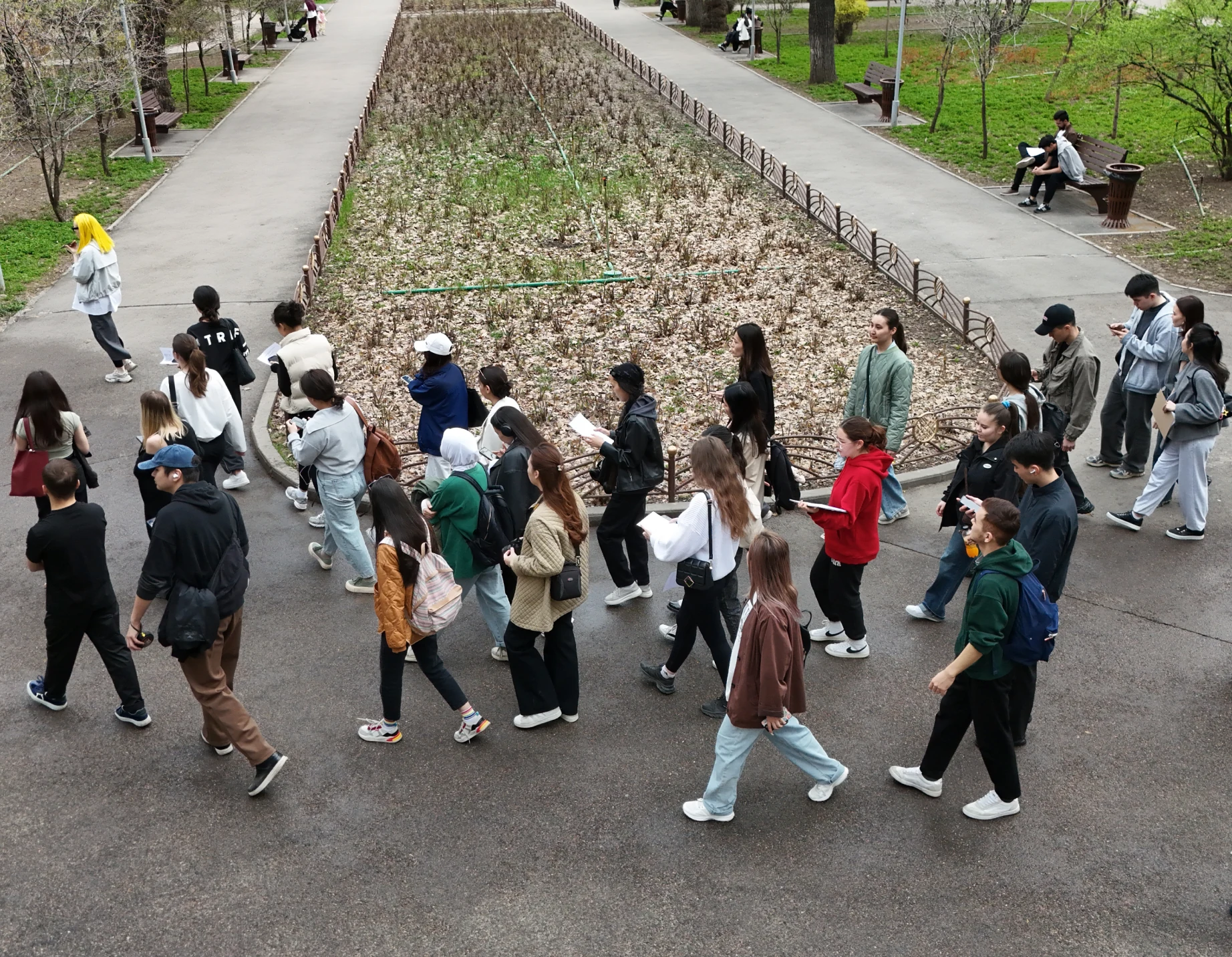
01 / ACADEMIC & EDUCATIONAL ROLES
Lecturer · Department of Architecture and Urban Planning
Belgorod, RussiaAssociate Professor · Department of Urban Planning
Almaty, KazakhstanIndependent Lecturer · Research presentations · Professional facilitation
International02 / THE MESSAGE
A synthesis of the recurring position expressed through teaching, research presentations and public talks.
A project starts with climate, ground, social patterns and the lived experience of a place — not with a predetermined image.
The question is not only how to do less harm, but how design can restore ecological, spatial and social value.
AI, GIS, BIM and digital twins are useful when they clarify consequences and improve decisions without replacing authorship or responsibility.
Accessibility, legibility, public space and the right to participate determine how people experience institutions and the city.
Underground capacity can become an instrument for climate adaptation, social infrastructure and the return of living surface.
TEACHING AND SPEAKING
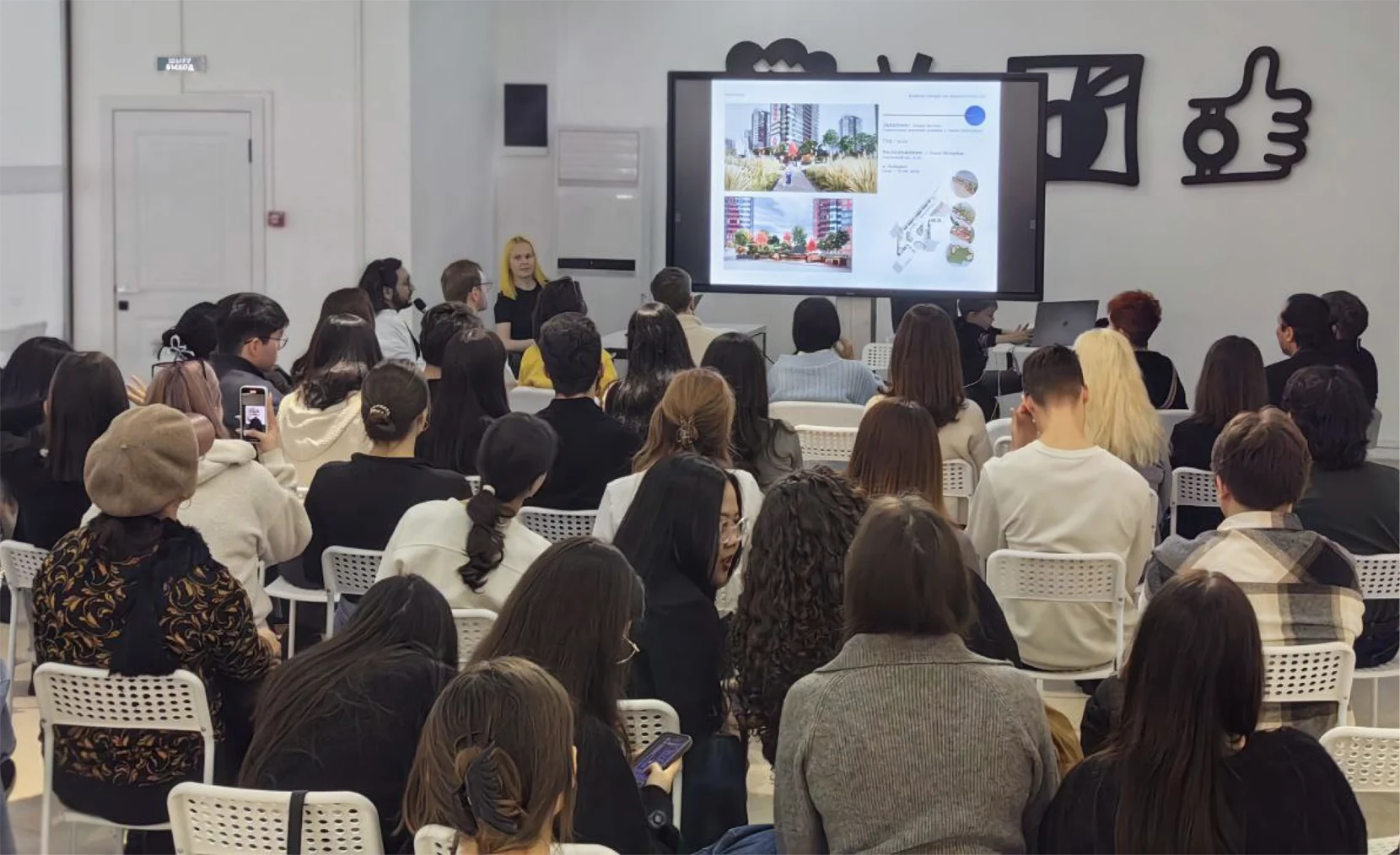
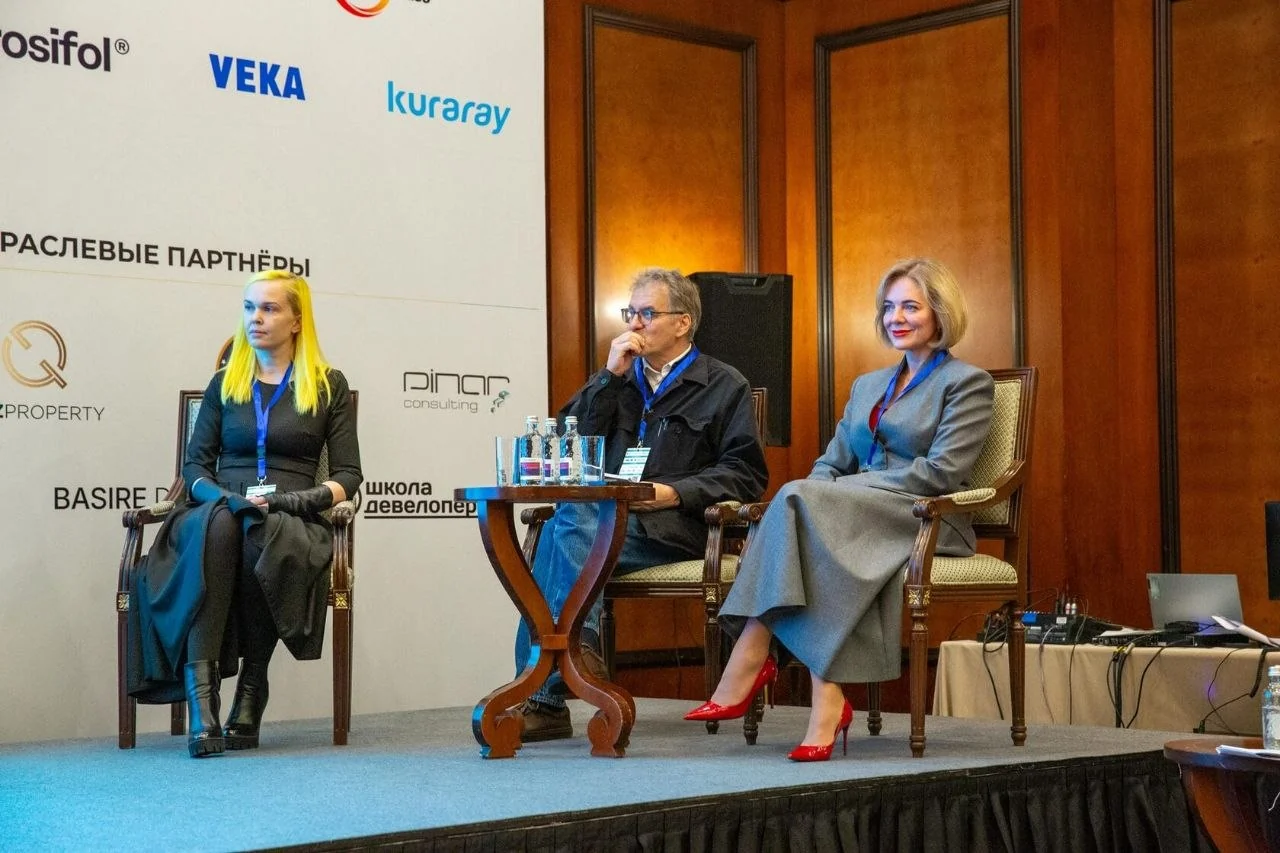
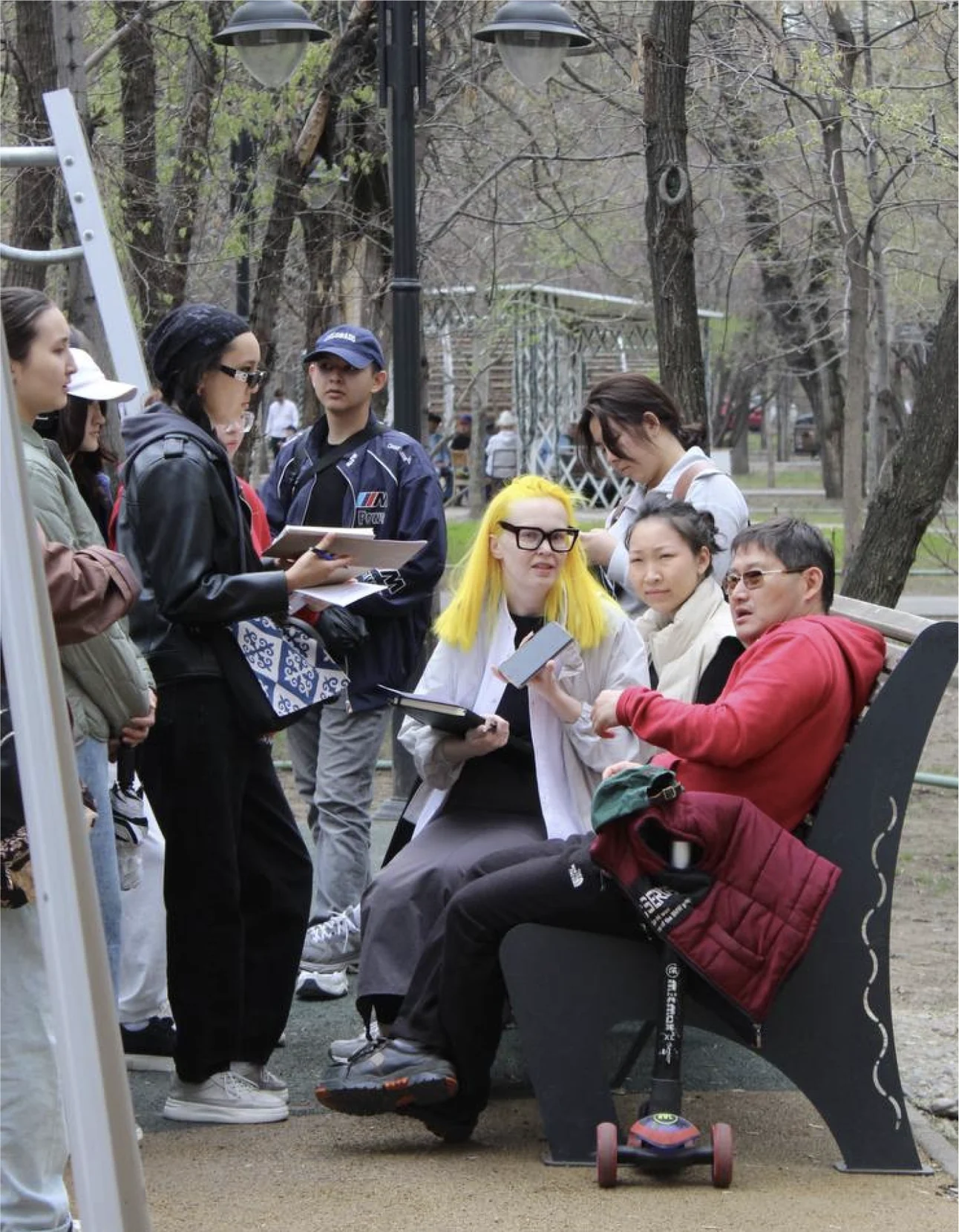
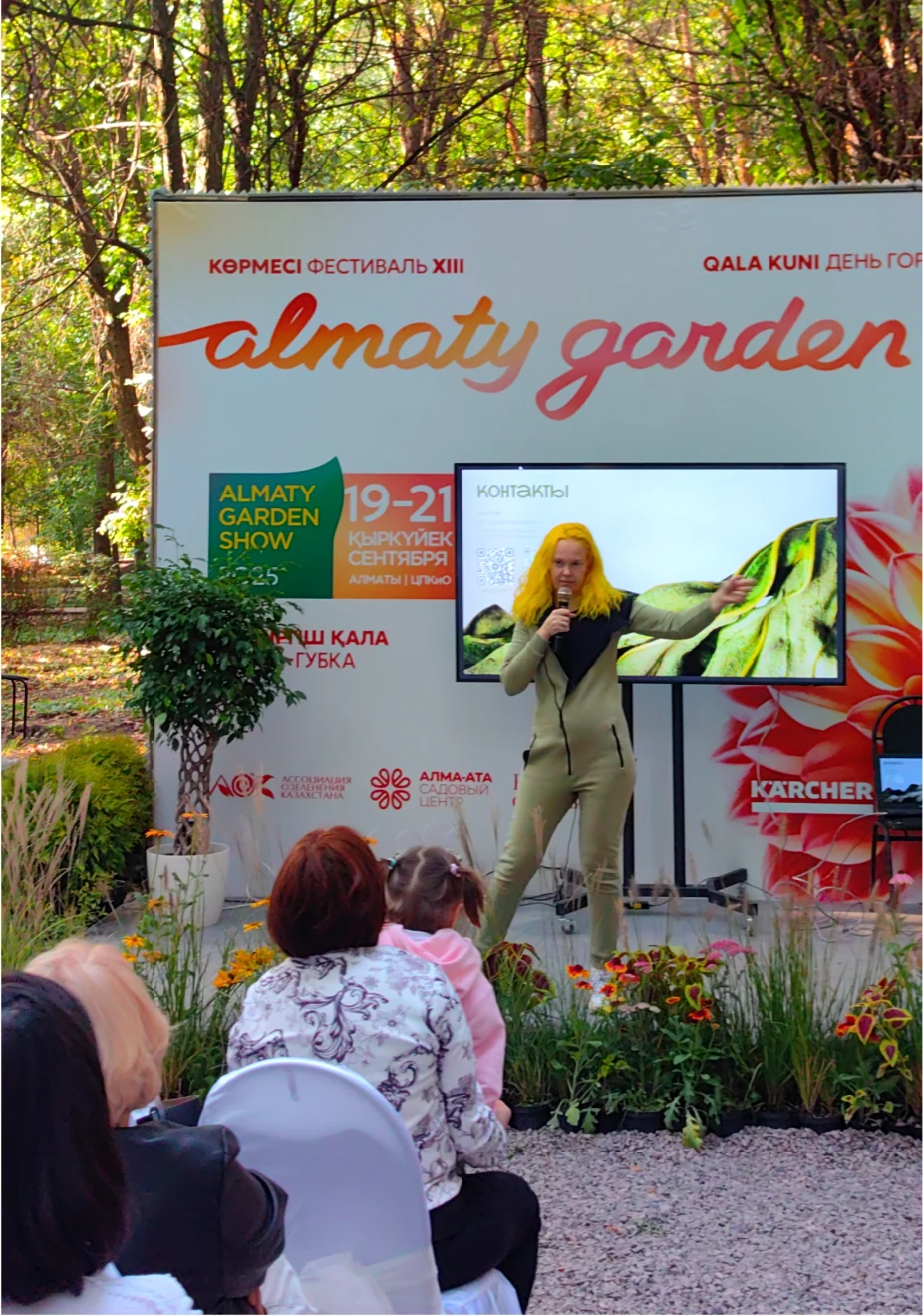
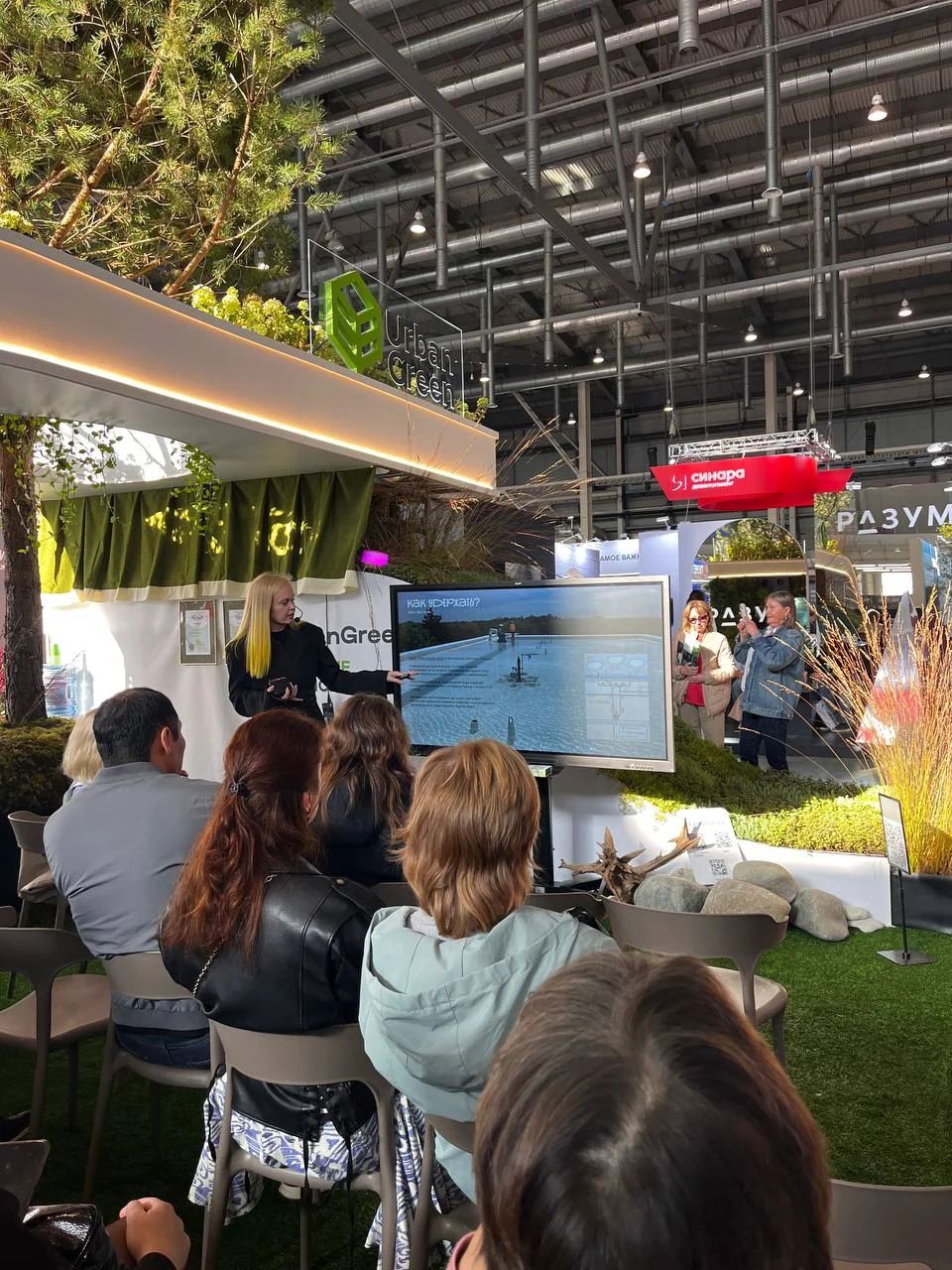
03 / SELECTED APPEARANCES
Conferences, forums and professional discussions
Conference presentation
International scientific conference
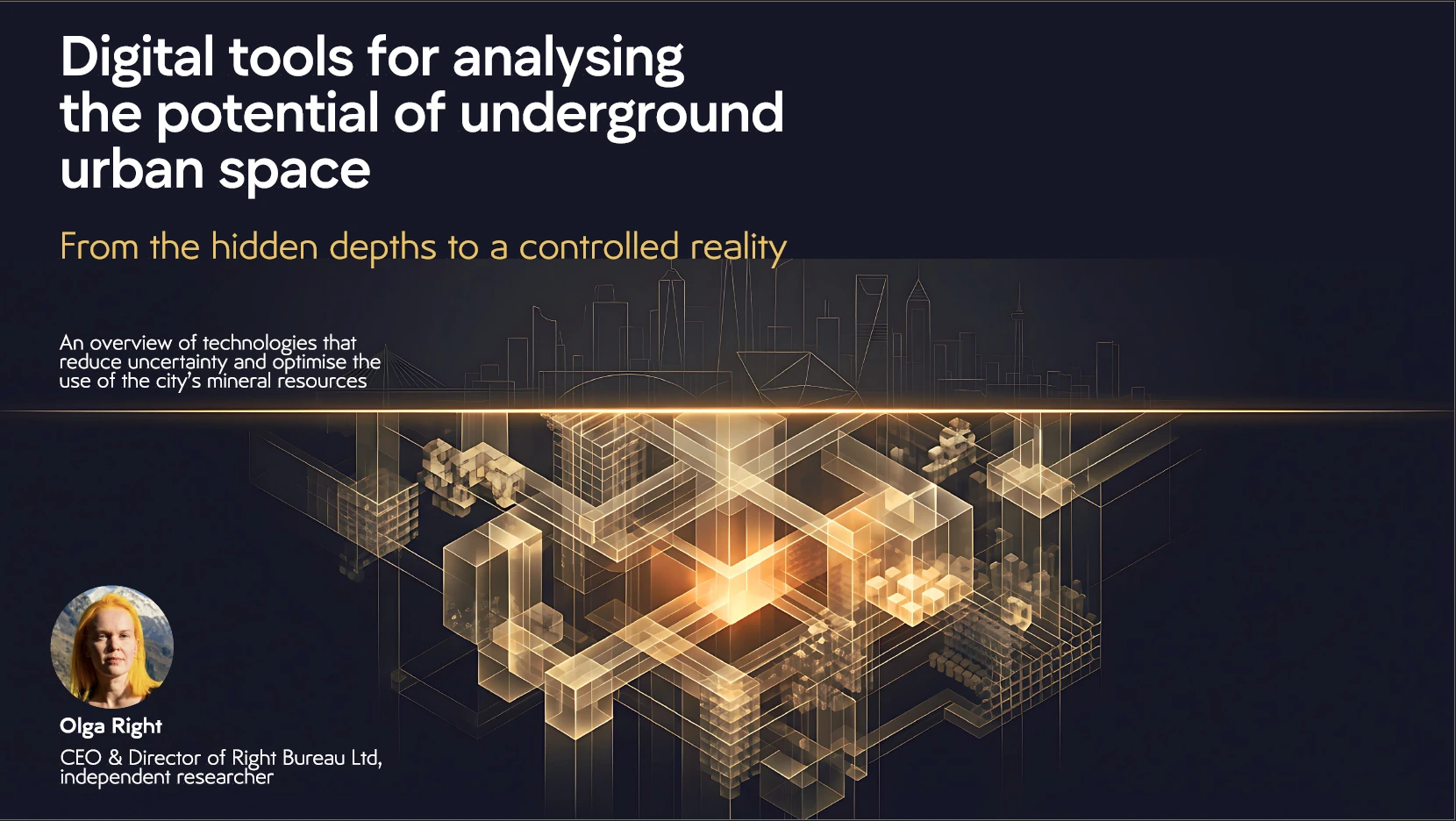
International scientific conference
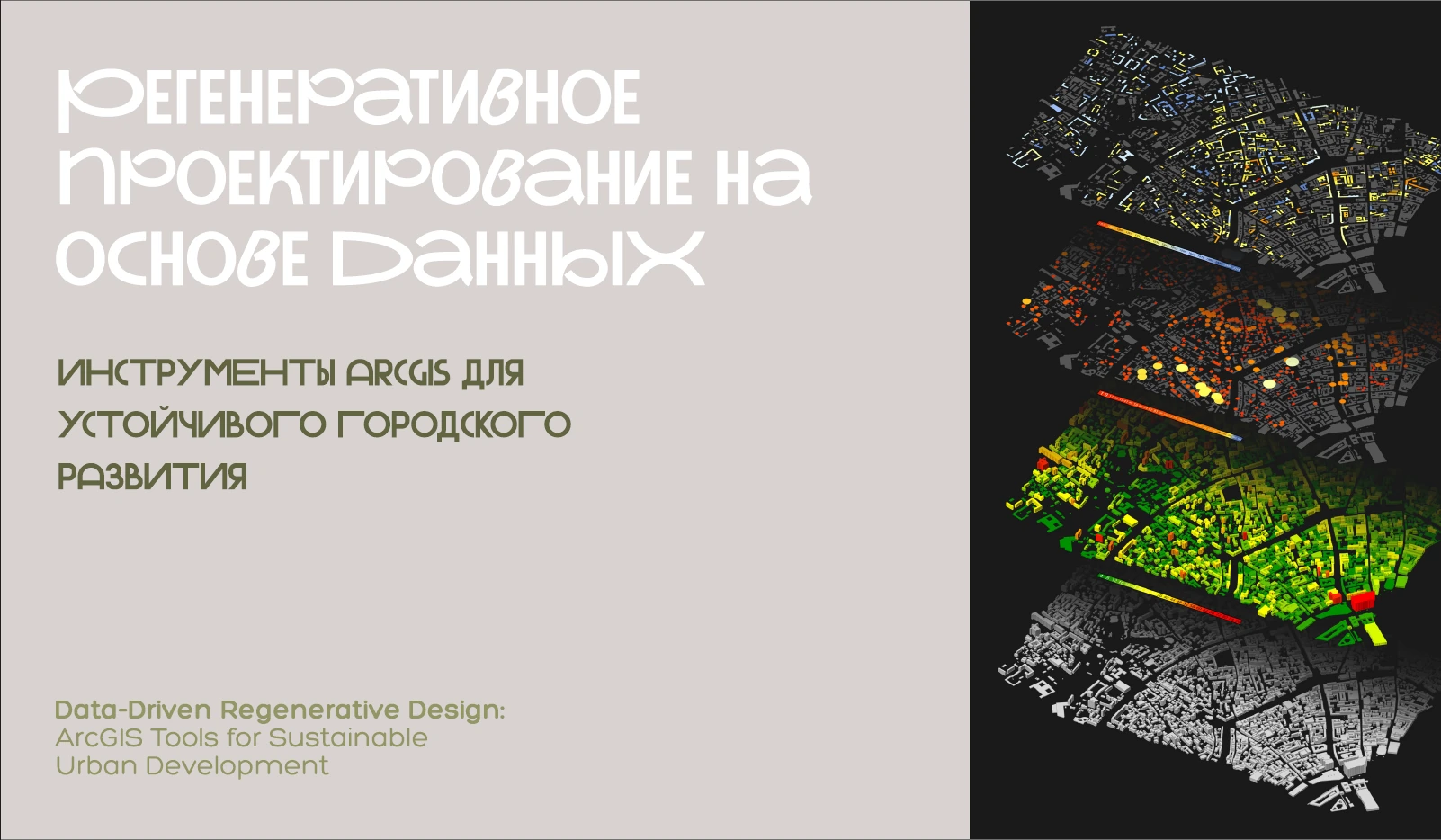
CAFAD Forum for Architects and Designers in Central Asia

‘Green World’ International Landscape Eco-Festival
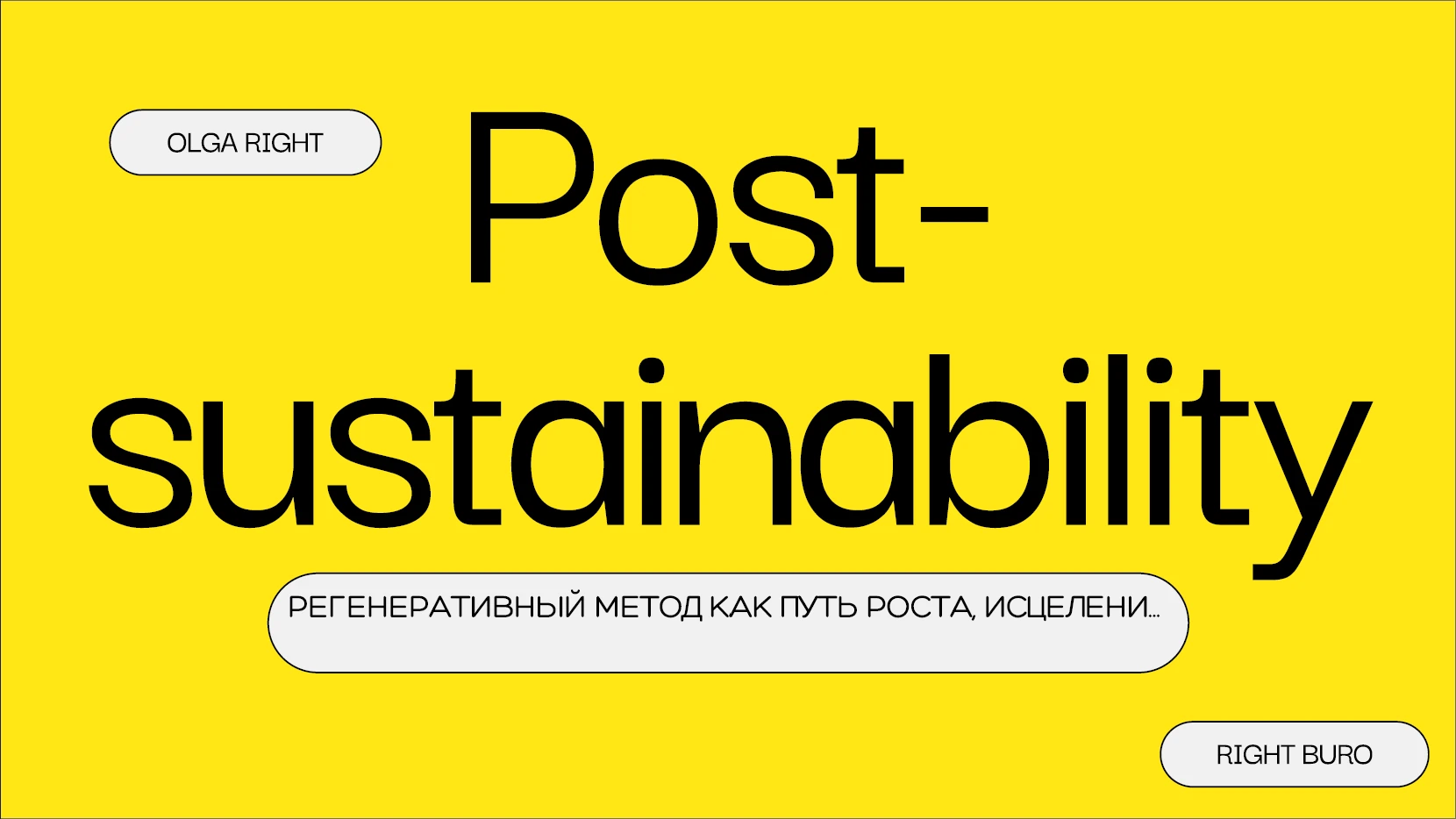
Panel Discussion ‘The Inclusive City: Solutions and Opportunities’

LECTURE TOPICS
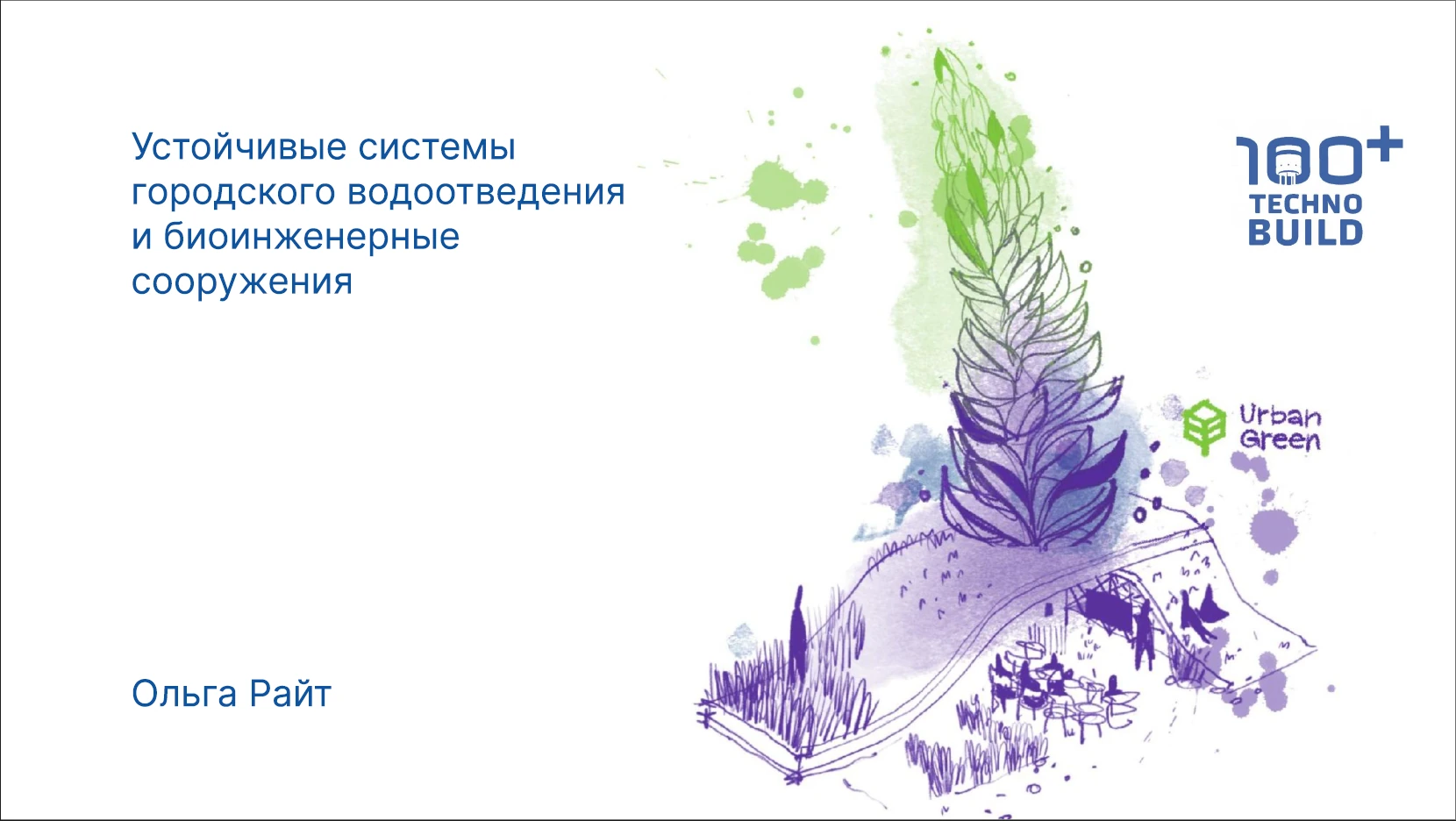
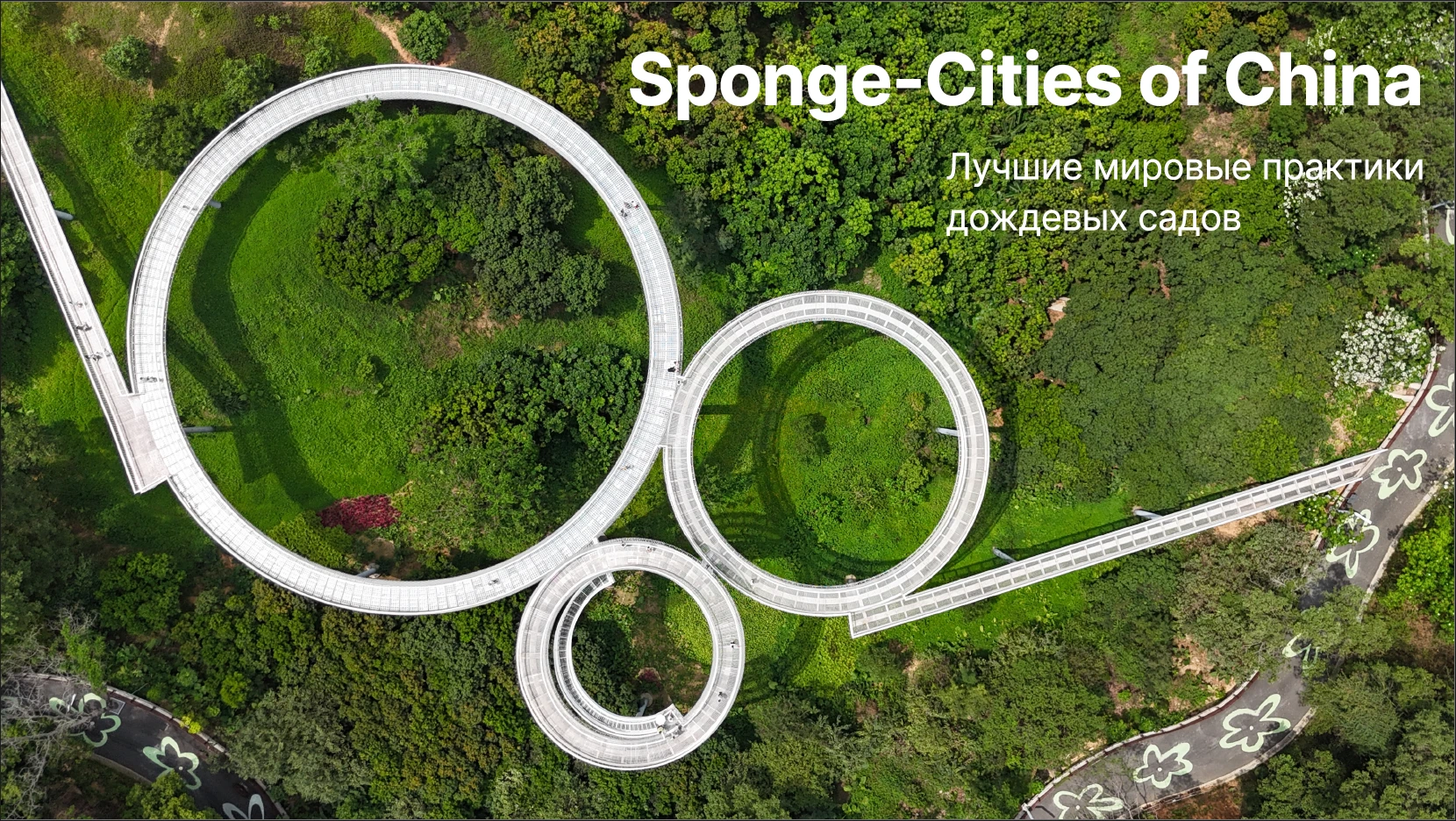
WHY I TEACH
Education is not the transfer of finished answers. It is the practice of making relationships visible — so another person can build a more precise question and take responsibility for the answer.
TEACHING & SPEAKING / WORK WITH OLGA
For universities, professional communities, conferences, public programmes and organisations that want rigorous content in an accessible format.
A tailored public talk on regenerative design, urban systems, AI, inclusion or architecture and the earth.
A university course, design studio or short educational programme built around a real question.
A practical format for design teams, public institutions or interdisciplinary groups.
Expert participation, facilitated dialogue, portfolio review or individual guidance.